Did you know that WeWork once spent $60 million on a private Gulfstream G650 jet that Adam Neumann used to host marijuana-fueled cross-continental parties?
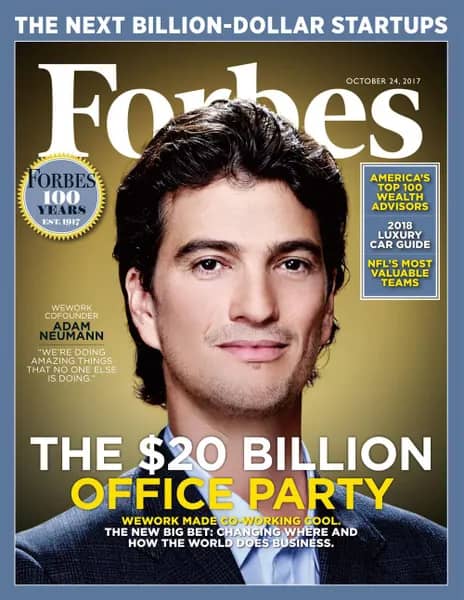
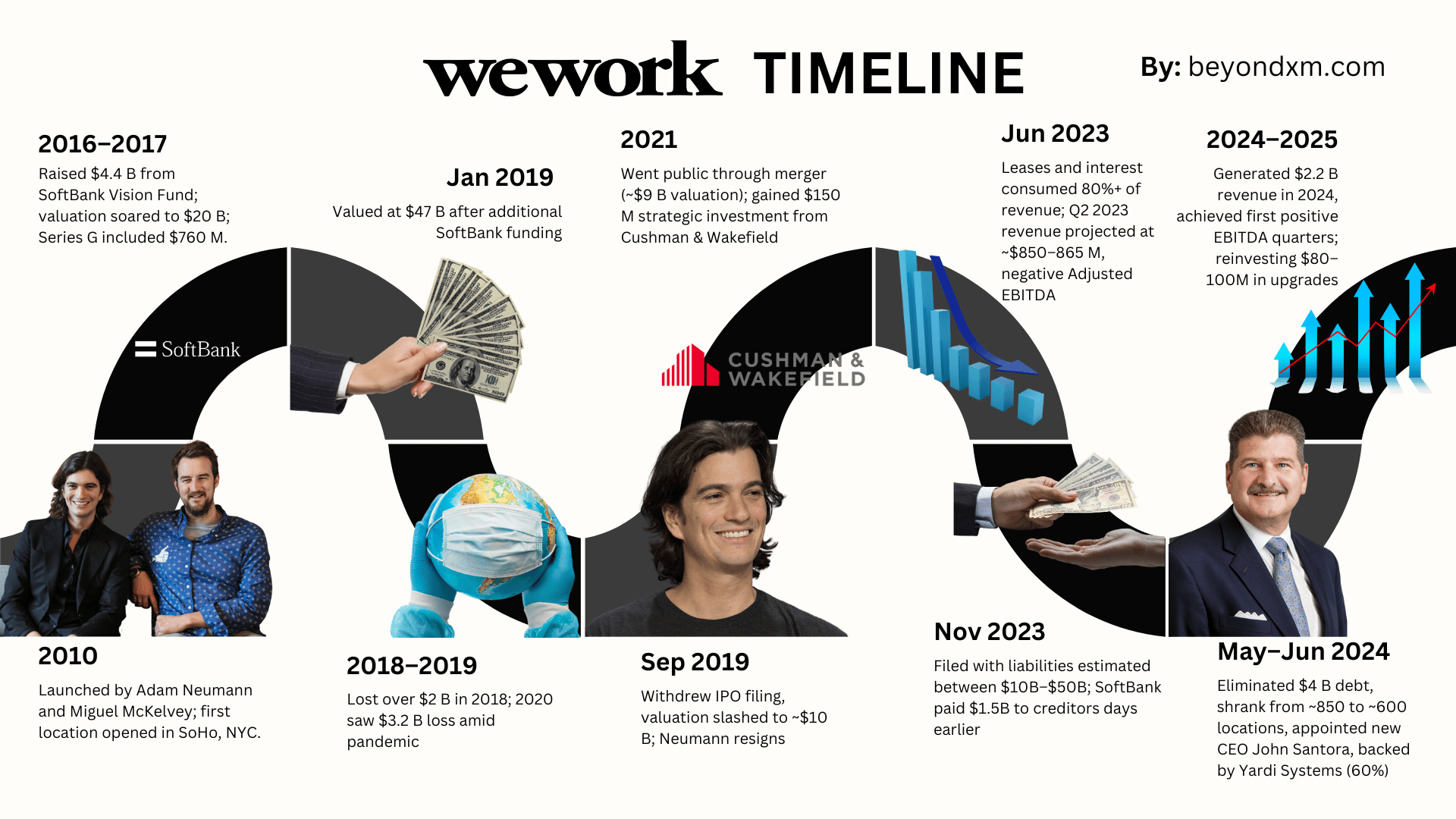
For a brief, dazzling moment, WeWork convinced the world it was revolutionising real estate with kombucha taps and glass walls. Then the house of cards collapsed, revealing one of the most spectacular valuation implosions in business history. Founded in 2010 by Adam Neumann and Miguel McKelvey, WeWork began with a straightforward premise: to transform boring office space into vibrant communities where entrepreneurs could collaborate and grow. By 2018, WeWork had become the largest private office tenant in Manhattan and London, with over 400,000 members worldwide.
Initial Market Response:
Prime Locations: Secured trophy properties in the world's most expensive cities
Instagram-Ready Aesthetic: Pioneered the now-ubiquitous industrial-chic office design
Community Focus: Created a cult-like atmosphere with free beer, events, and networking
Tech Positioning: Convinced investors it was a technology platform, not a real estate company
Global Ambition: Expanded to 111 cities in 29 countries in less than a decade
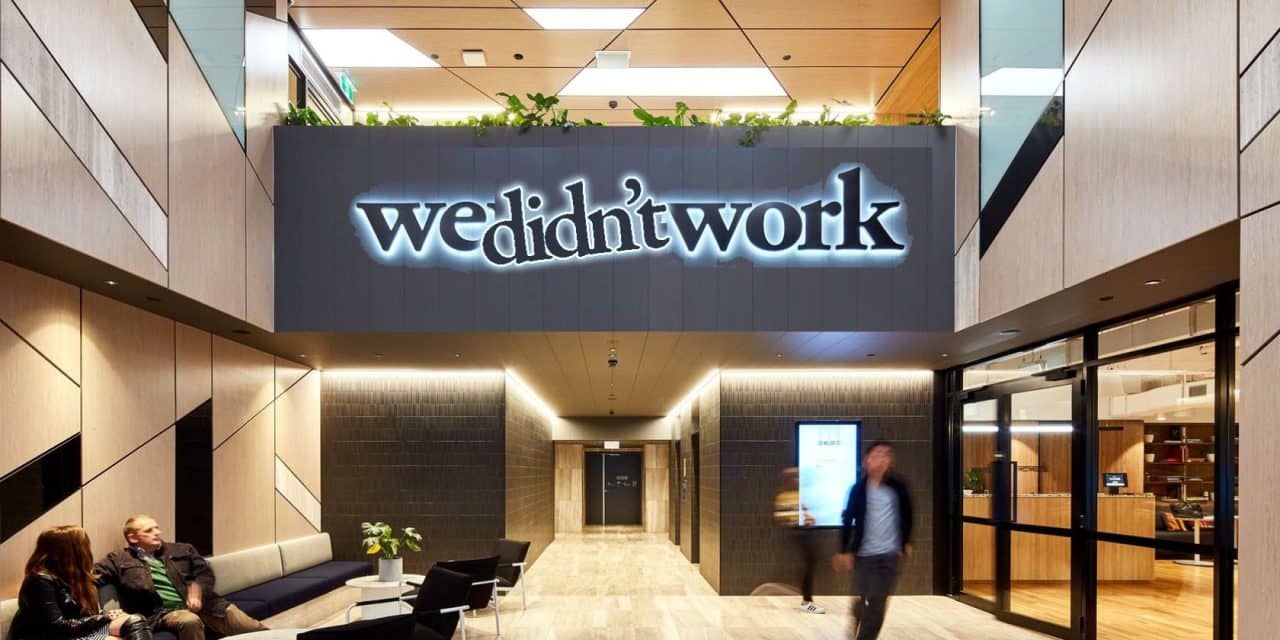
Source: Image courtesy of nowbam.com
"WeWork isn't just a company. It's a movement that's changing how people work, live, and think." — Adam Neumann, at a 2018 company retreat
The $41 billion worth of Delusion:
In January 2019, WeWork reached its apex: a $47 billion valuation following SoftBank's final investment, despite losing $1.9 billion on $1.8 billion in revenue the previous year.
Tech Multiple Mirage: WeWork convinced investors to value it like a software company (20x revenue) rather than a real estate company (3x revenue).
Community Contribution: Marketed the intangible value of "community" to justify premium pricing.
Prophet Positioning: Neumann's charismatic personality created a reality distortion field that obscured fundamental business flaws.
Despite its business failure, WeWork's cultural impact remains significant. The company fundamentally changed expectations for office aesthetics and amenities. The ubiquitous design elements, exposed brick, glass-walled conference rooms, neon signage, phone booths, and communal spaces, have become standard features in corporate offices worldwide. Ironically, in the post-pandemic world where hybrid work has become standard, there's arguably more need than ever for flexible workspace solutions. WeWork pioneered the concept but destroyed itself before it could capture this opportunity.
Did you know that Rebekah Neumann insisted on firing employees within minutes of meeting them if she felt their "energy was bad?"
WeWork Business Journey
5 Lessons for Startups to Learn from WeWork's $41 Billion Disaster
Business Fundamentals: WeWorkallowed Neumann's charismatic storytelling to supersede basic business fundamentals, instead of implementing governance systems that separate visionary leadership from financial oversight. Who's Doing It Right? Apple pairs creative leadership with operational discipline, creating checks and balances between innovation and execution
Unit Economics: Their Mistake was to be focused on top-line growth while individual locations operated at unsustainable losses. Who's Doing It Right? Shopify rigorously tracks merchant-level economics to ensure its growth comes from sustainable customer relationships
Governance: WeWork gave Neumann unprecedented control, including 20:1 voting rights and self-dealing opportunities. Who's Doing It Right? Microsoft's board includes diverse expertise that can meaningfully challenge management decisions
Product Positioning: They constantly shifted their identity from real estate to technology to spirituality based on audience, instead of developing a consistent corporate narrative grounded in their actual business model. Who's Doing It Right? Stripe maintains disciplined messaging about being infrastructure for internet commerce, avoiding trendy pivots
Leadership and Vision: Neumann pursued simultaneous expansion across geographies, product lines, and customer segments, without mastering their core business. Who's Doing It Right? Airbnb focused on its core home-sharing business until it achieved profitability before exploring adjacent services
Subscribe to
Beyond Stack
Join Over 10,000 Readers where we share insight to grow your company, build products. Get access to growth hack pitch decks and more.
Thank you! Your submission has been received!
Oops! Something went wrong while submitting the form.